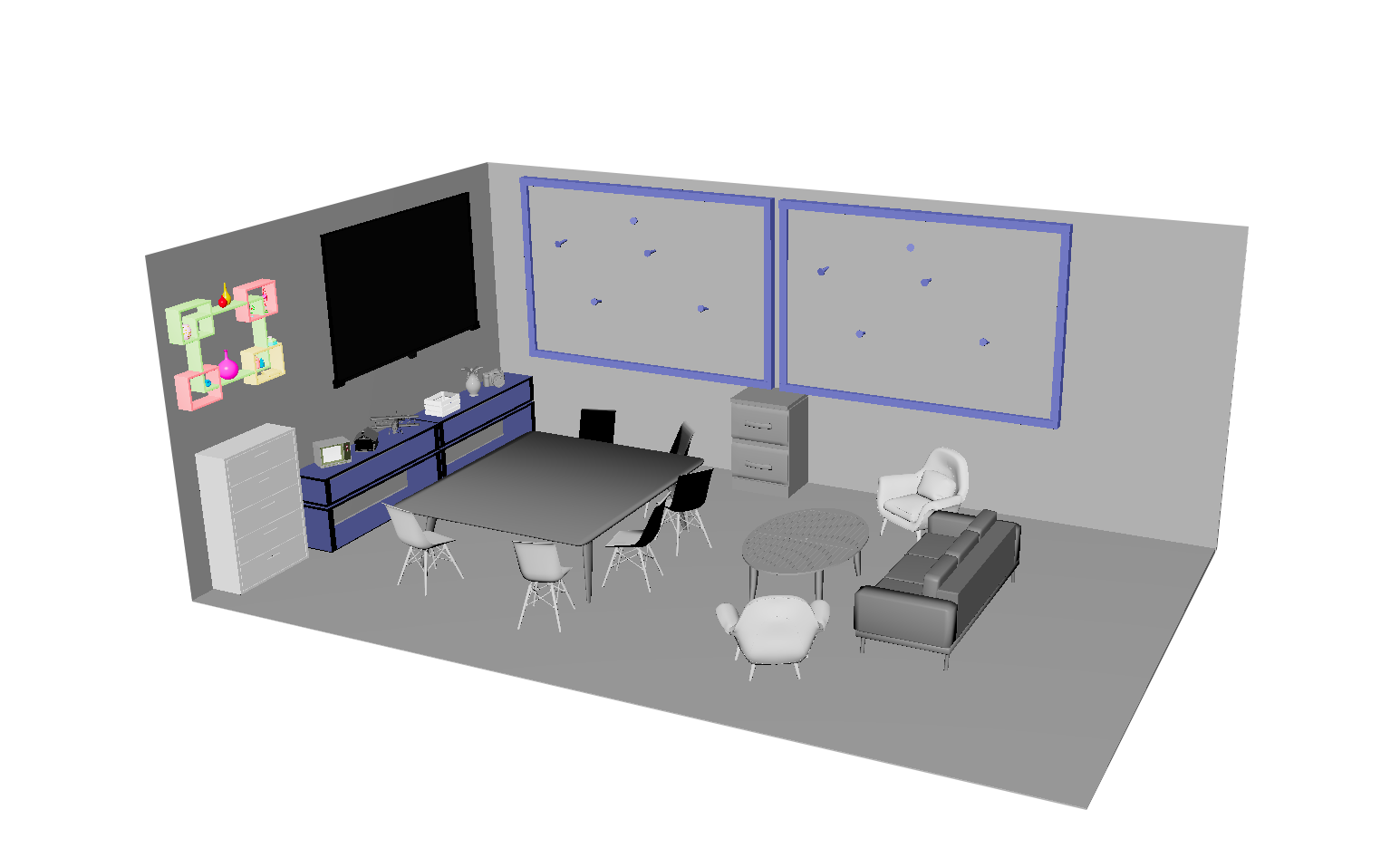
Transforming the UTM Makerspace from a tool-focused workspace into a collaborative student community through research-driven spatial intervention.
The ICCIT Makerspace provides students with valuable equipment and creative resources, yet many students experience it as a place to complete tasks rather than a place to connect with others.
How might we transform the UTM Makerspace into a space that actively encourages collaboration, networking, and community building?
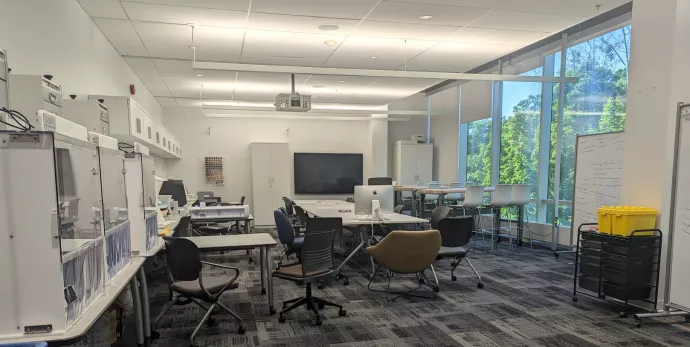
We conducted observational research and semi-structured interviews across four disciplines to understand what barriers prevented collaboration.
Observed students during open hours, documenting movement patterns, social interactions, and workspace behaviours throughout the makerspace.
Interviewed students from CCIT, DEM, Computer Science, and student clubs to understand their makerspace perceptions and collaboration barriers.
Synthesized all interview and observation data into clusters to identify recurring pain points, motivations, and unmet social needs.
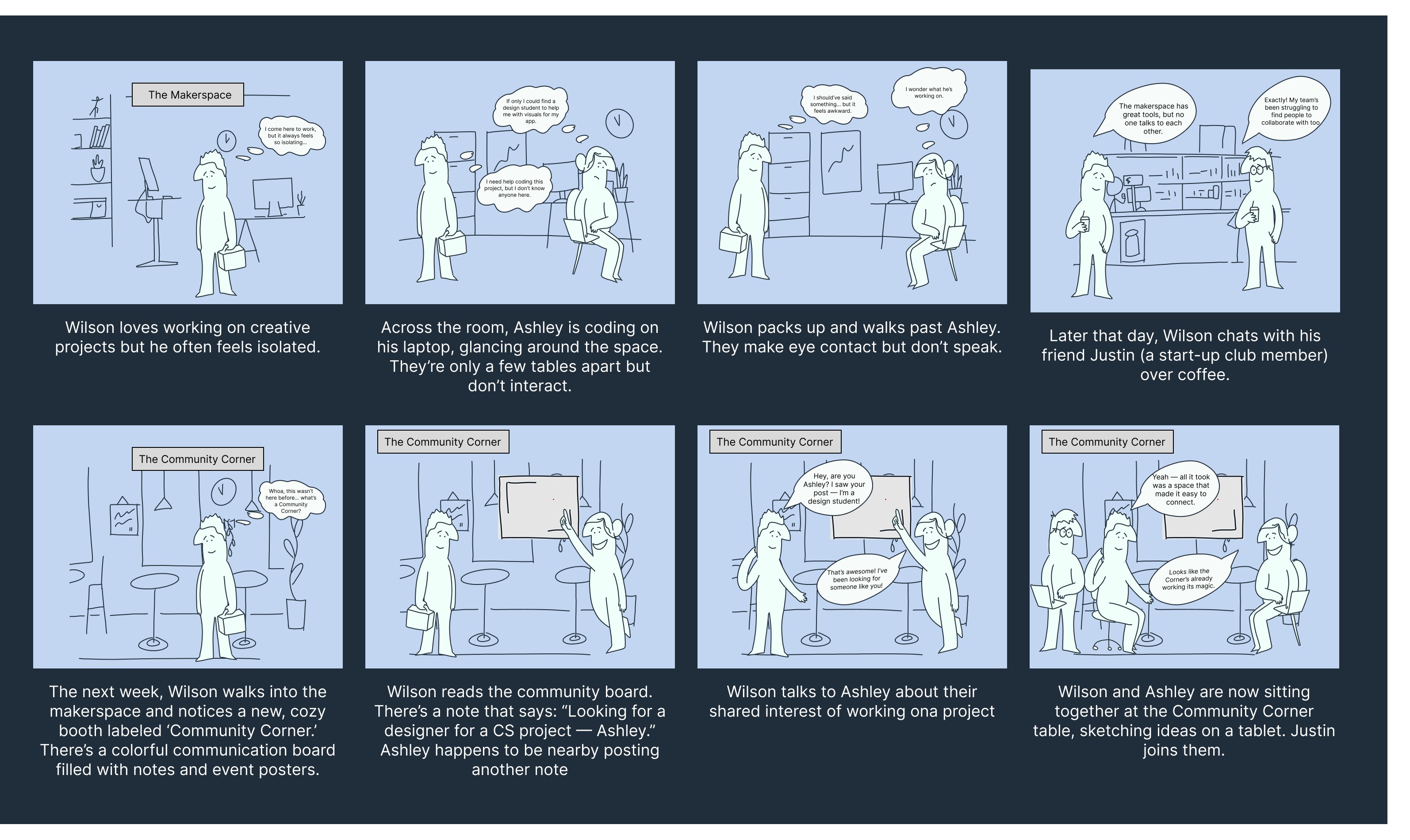
Students primarily visited to complete specific tasks and left immediately afterward.
"There's a lot of equipment here, but not much of a sense of community."
The space provides resources but fails to communicate a social purpose.
Participants expressed strong interest in meeting collaborators but felt uncomfortable initiating conversations.
"I don't know how to approach strangers or join other people's projects."
The barrier is not motivation — it is the absence of social infrastructure.
Most students had little awareness of what others were creating in the space.
"I have no idea what projects other people are working on."
Collaboration opportunities are lost because projects remain invisible.
Students consistently expressed enthusiasm for sharing ideas and finding teammates.
"If there were a space to share projects and find collaborators, I would definitely use it."
Students are already motivated; the environment simply does not support connection.
The Makerspace lacks equipment or resources to support student work.
The Makerspace lacks a visible community structure that helps students discover, connect, and collaborate with one another.
This shifted our focus away from improving tools and toward designing social infrastructure — the structures, cues, and spaces that make collaboration feel natural and accessible.
A dedicated collaboration hub integrated into the Makerspace — designed to make projects visible, lower social barriers, and create organic opportunities for connection.
Students post projects, share collaboration opportunities, and discover what others are building. An Idea Wall for sketches and proposals.
Comfortable, informal seating that encourages spontaneous conversations and reduces the social barrier of approaching someone at a workstation.
Makes ongoing work visible to the whole space, creating opportunities for feedback, mentorship, and collaboration between disciplines.
Spatial arrangement designed to facilitate spontaneous interaction rather than reinforce isolated, head-down work patterns.
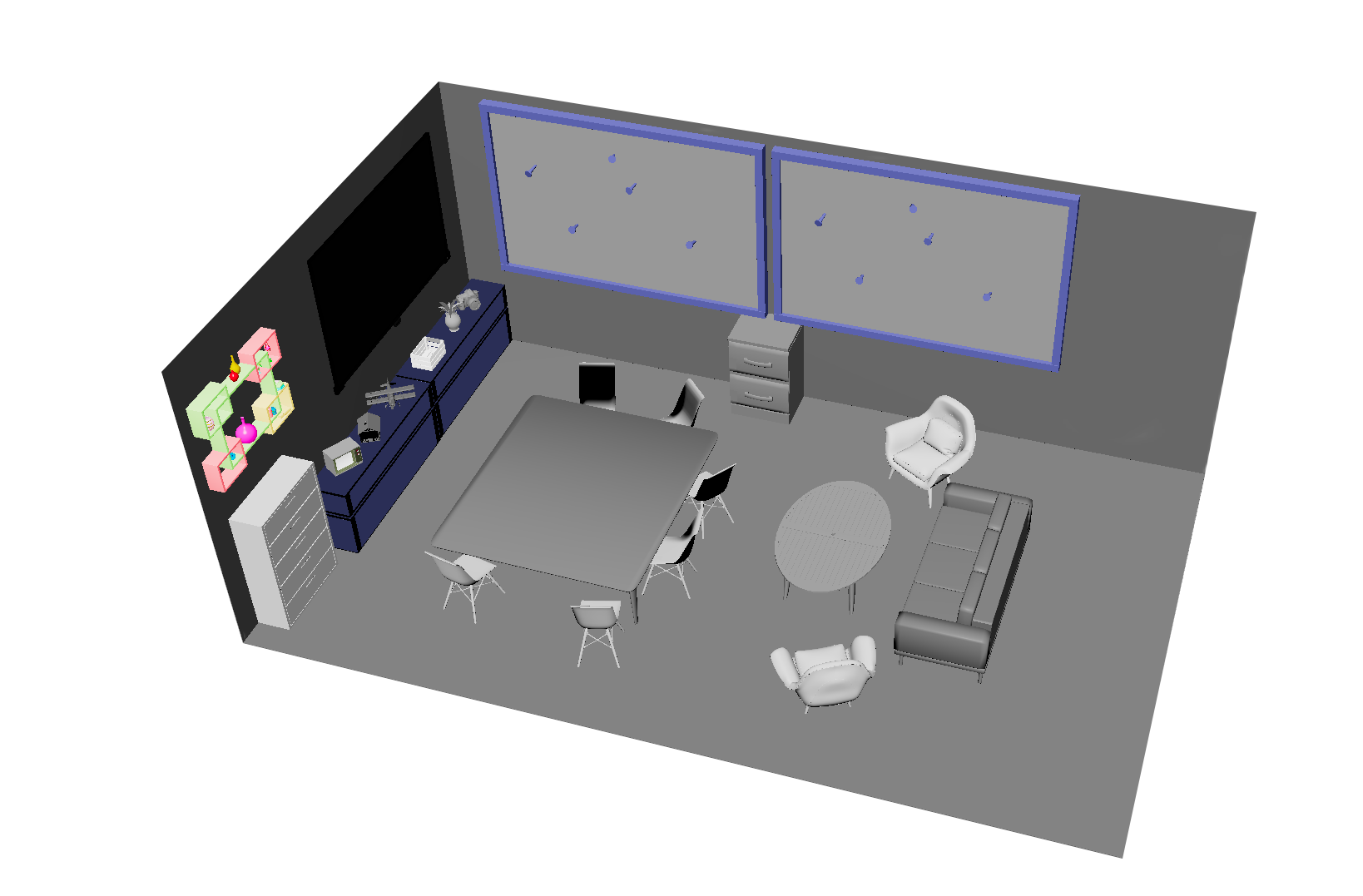
We mapped the physical layout iteratively — placing features where they would create the most natural opportunities for discovery and interaction.
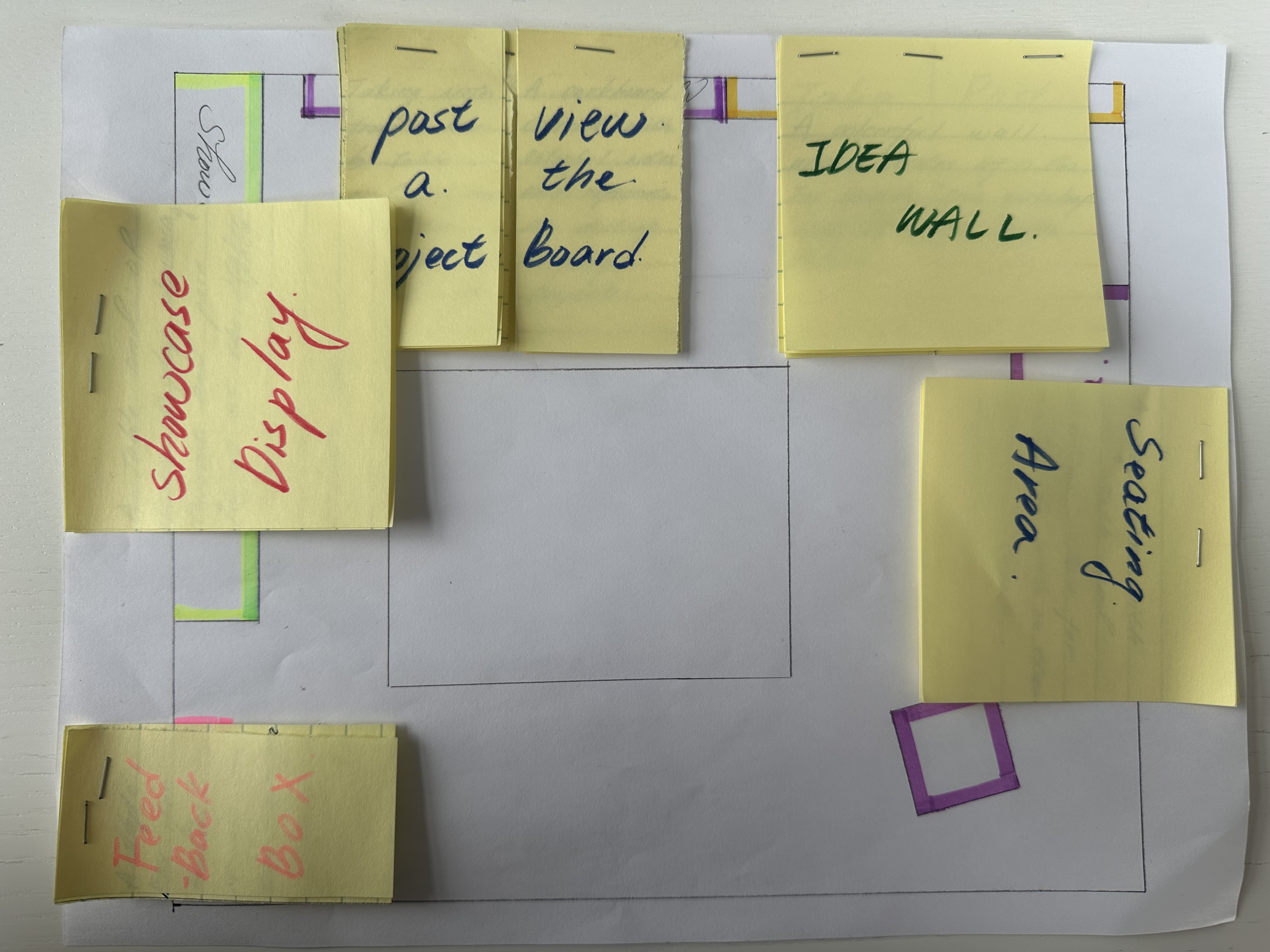
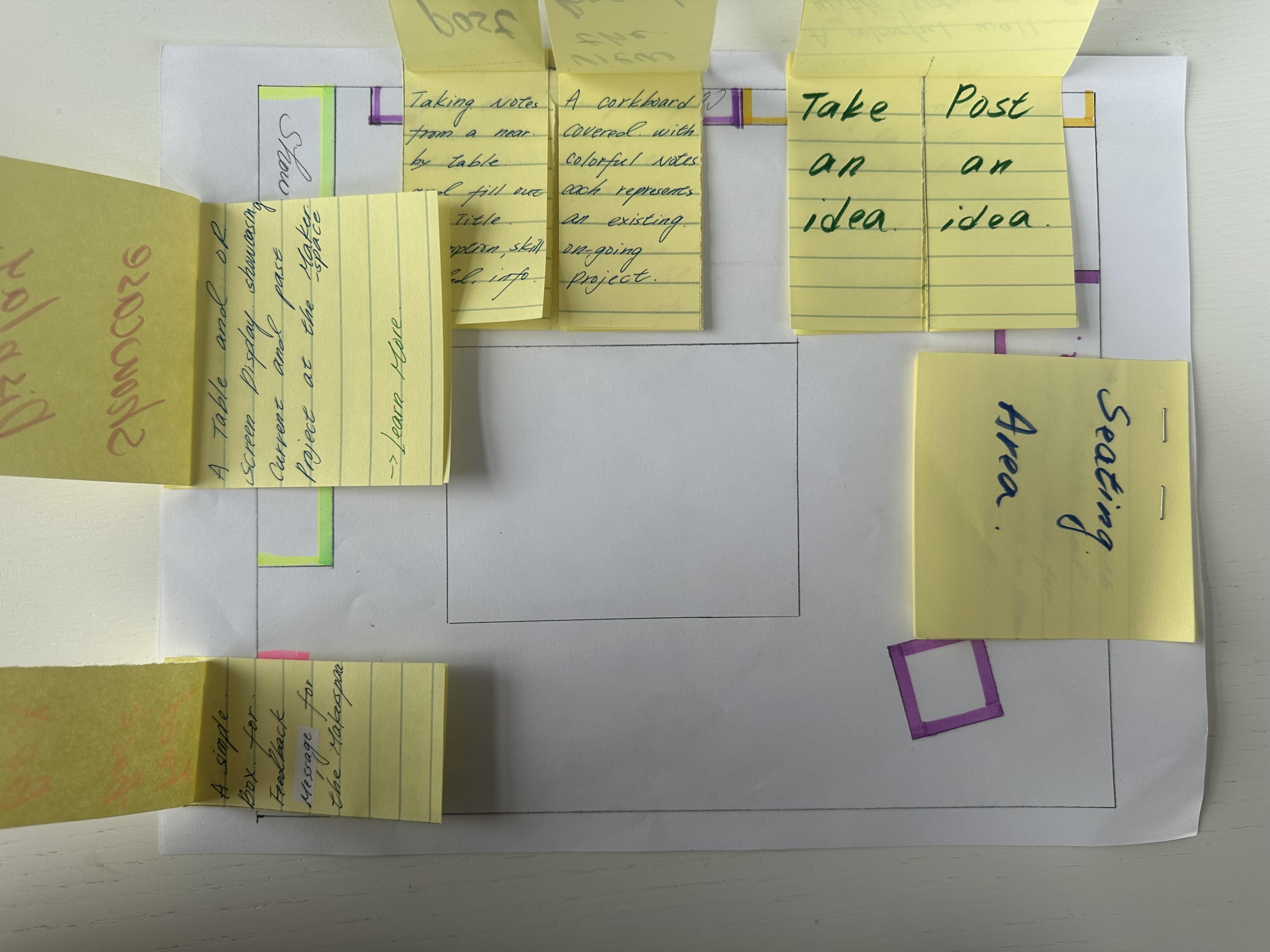
We built a 3D model of the proposed space to communicate the layout, furniture arrangement, and feel of the Community Corner to stakeholders.
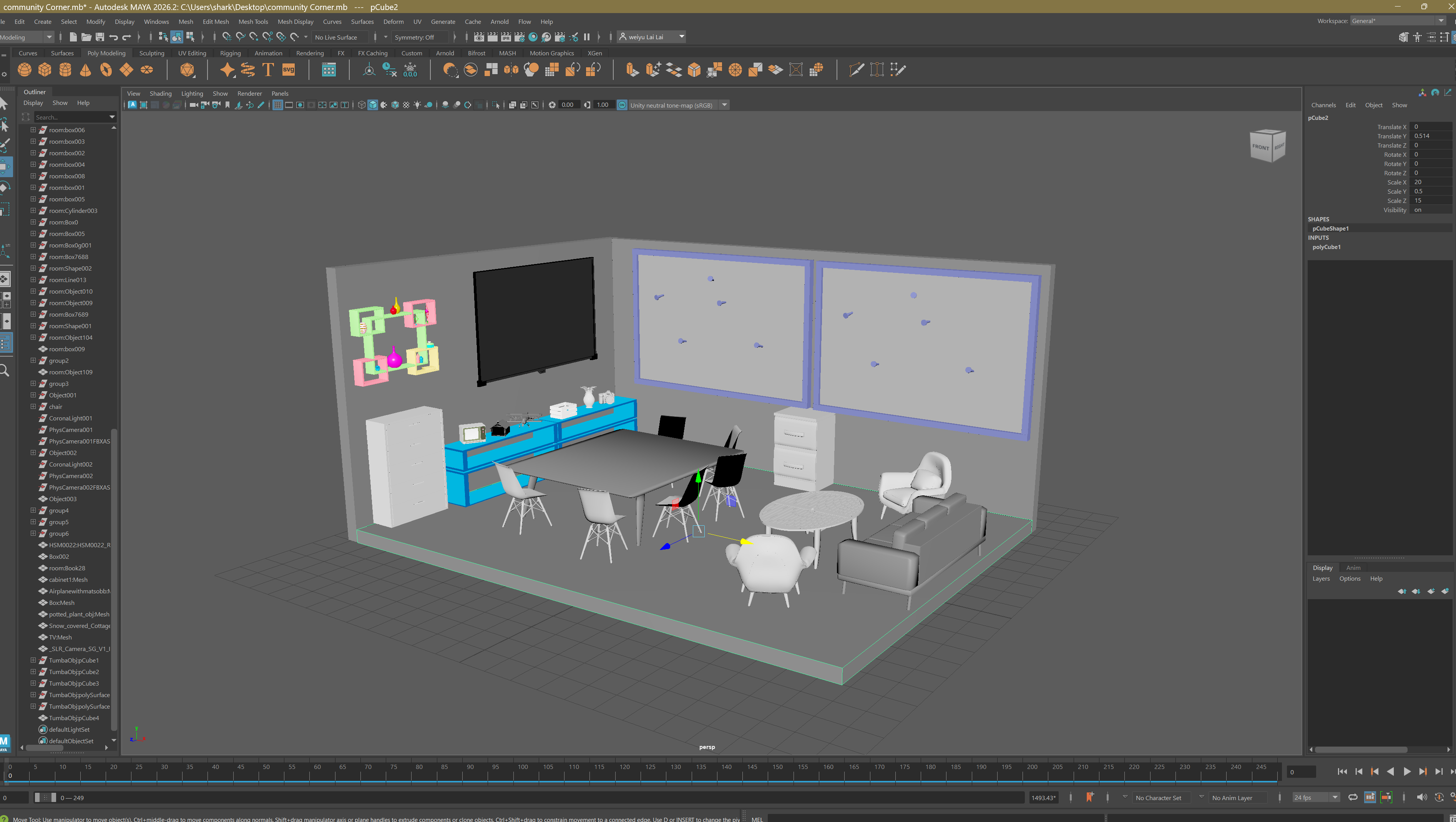
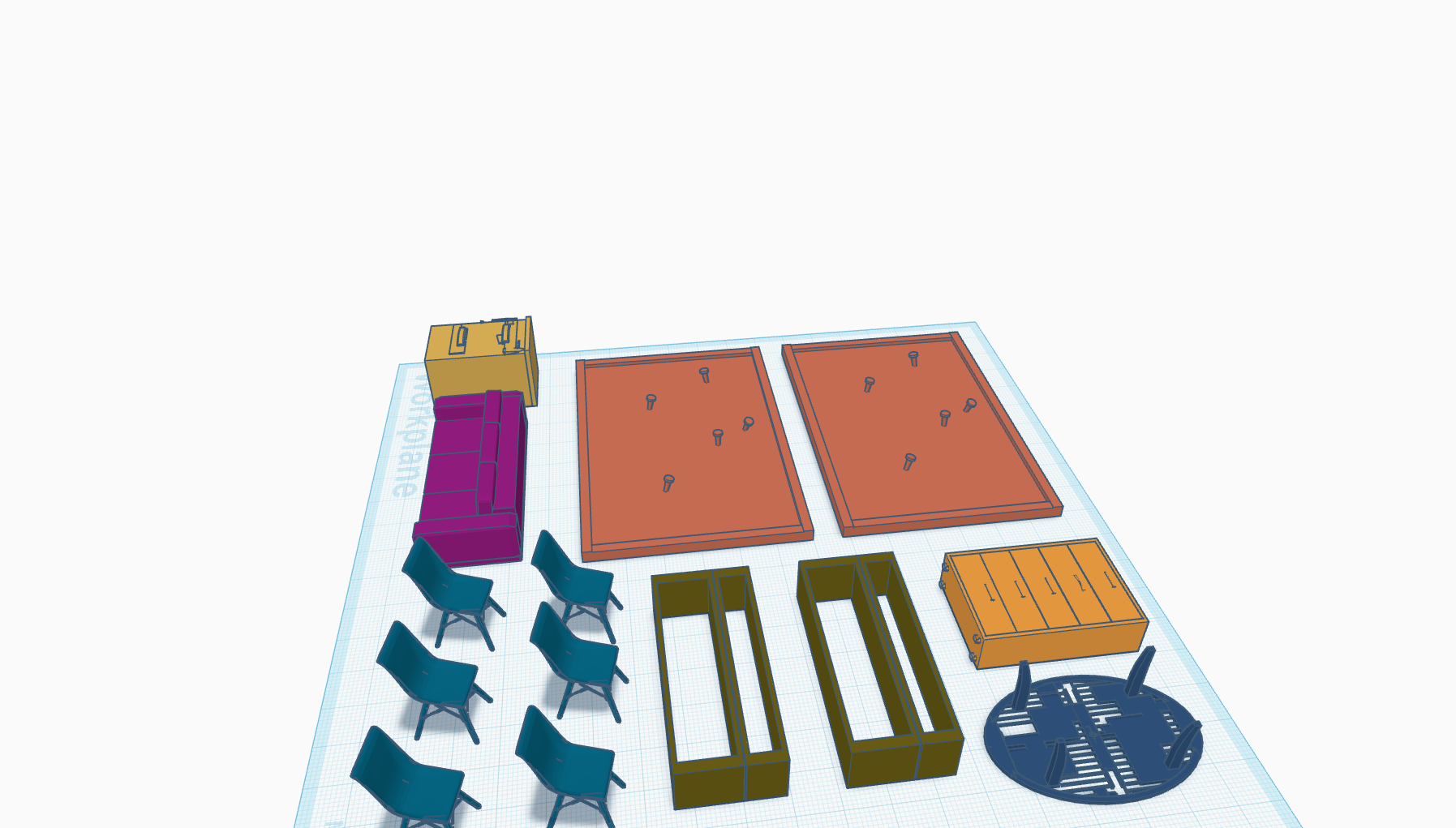
Individual furniture components were prototyped in Tinkercad before being assembled into the final scene.
The showcase display and community board surface ongoing work to everyone in the space.
Casual seating and shared surfaces create natural entry points for conversation without requiring cold approaches.
Project posts and the idea wall let students share skills, invite feedback, and find teammates organically.
The space is discipline-agnostic by design, drawing CCIT, CS, DEM, and club members into the same collaborative environment.
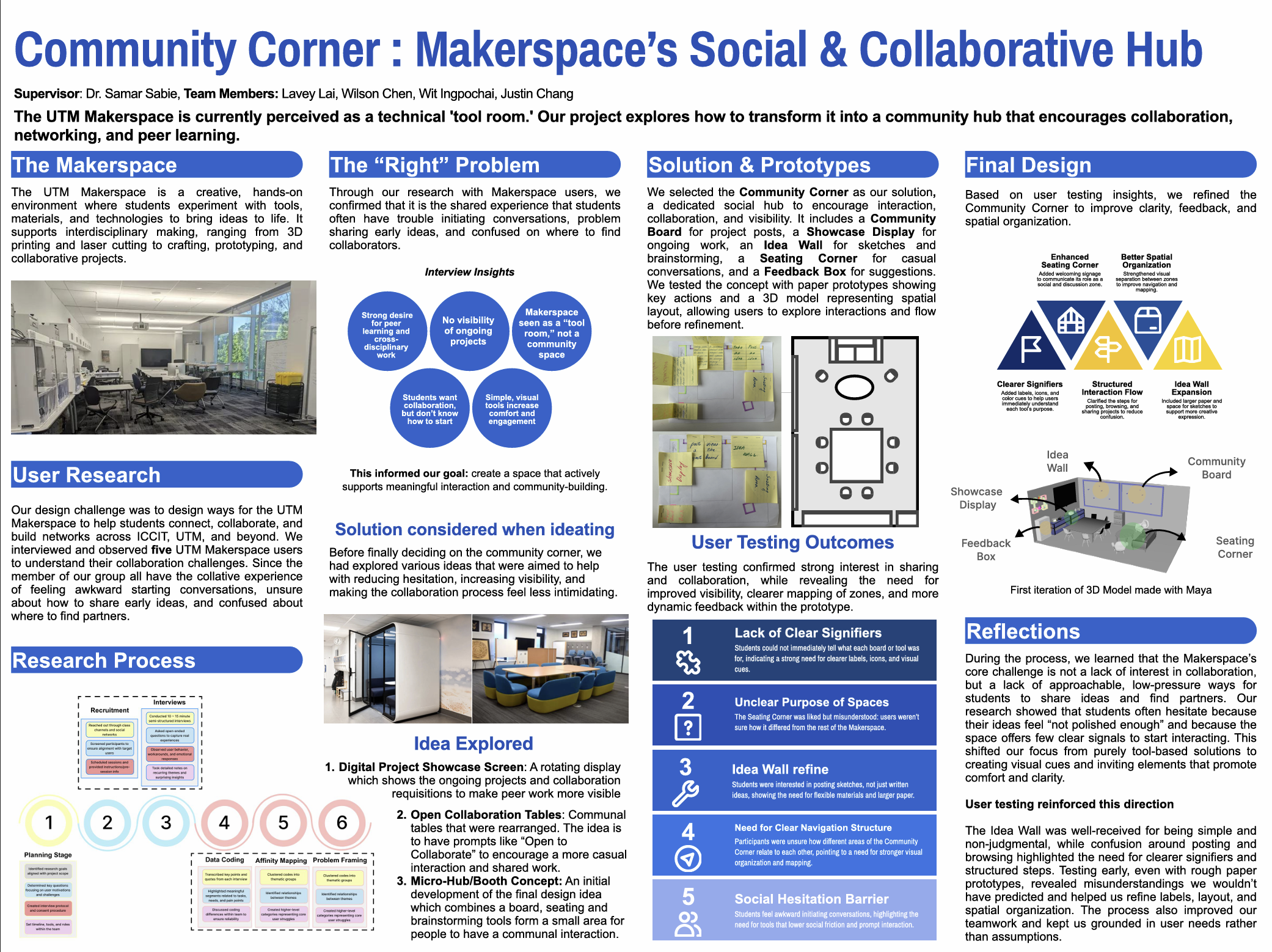
A consolidated view of the research process, ideation, and final solution as presented to stakeholders.
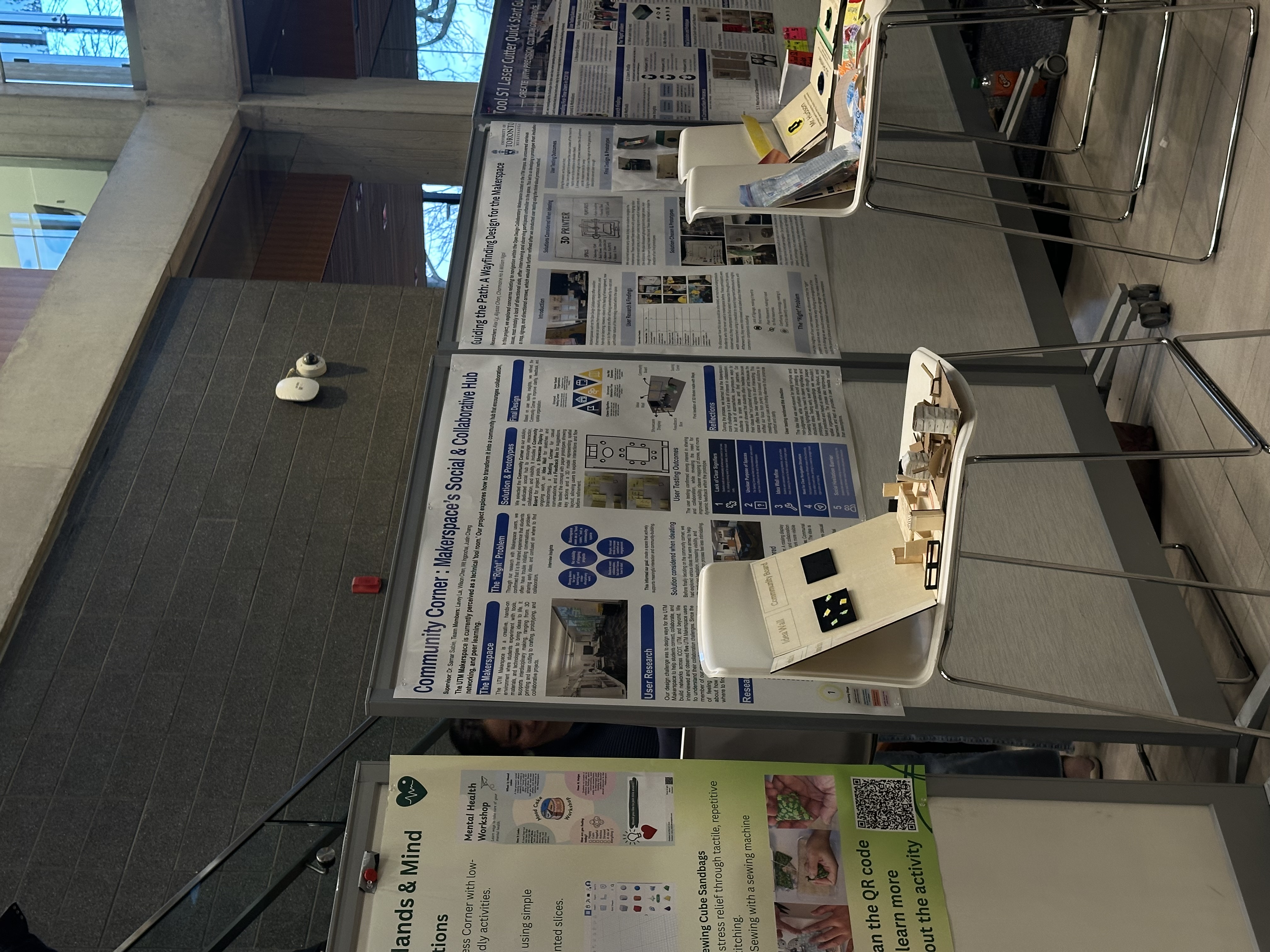
Presented at the UTM design showcase alongside other student teams.
People rarely collaborate simply because they share a space. Collaboration requires deliberate structures, cues, and affordances built into the environment.
Students cannot contribute to projects they cannot see. Making work visible is the first step toward making collaboration possible.
Many users wanted connection but lacked mechanisms to initiate it. The friction was structural, not personal — and therefore fixable through design.
The greatest resource within a makerspace is its community. Equipment is secondary; the relationships and knowledge exchange between students are what create real value.