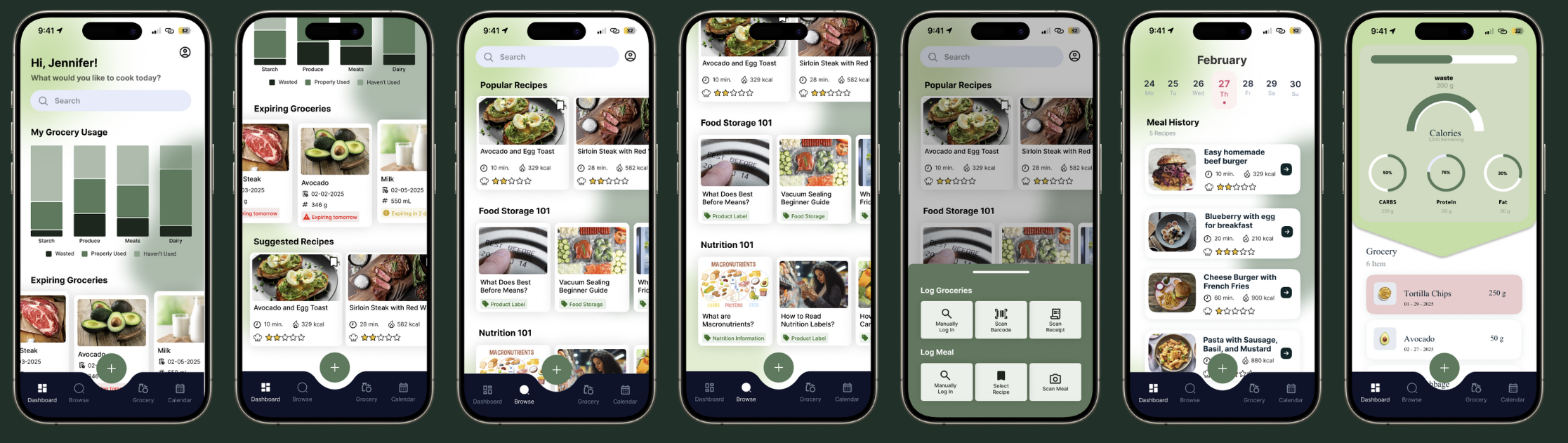
An AI-powered food management platform that helps university students reduce food waste, save money, and build healthier eating habits through smart grocery tracking and personalized meal recommendations.
As university students, we frequently observed large amounts of food waste within our community. Many students were living independently for the first time and struggled with meal planning, grocery management, and understanding food expiration dates.
With rising food prices and increasing concerns about sustainability, we saw an opportunity to create a solution that helps students make better food decisions while reducing unnecessary waste.
Help students waste less food, save more money, and eat healthier.
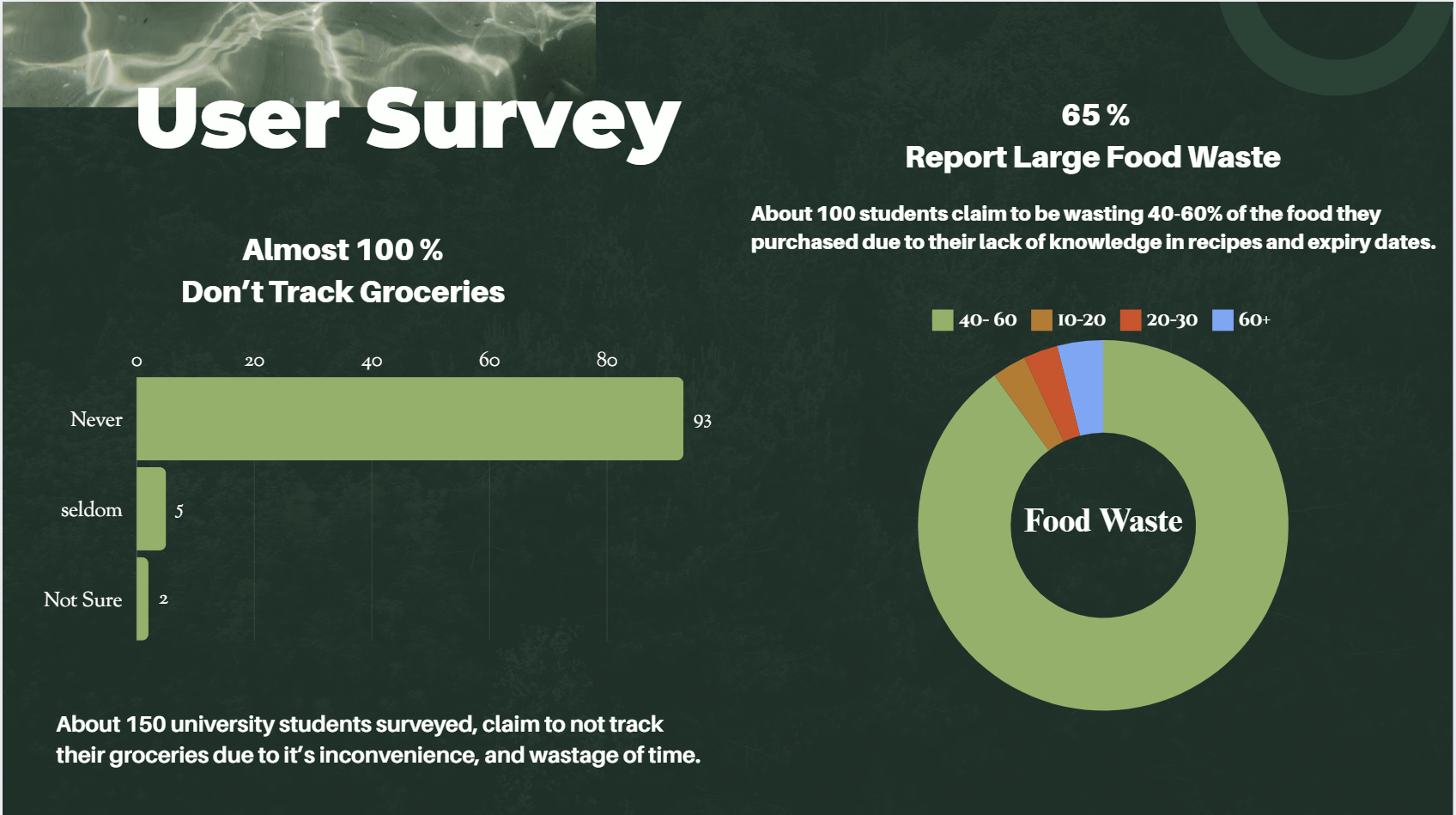
Before developing ShelfSense, our team conducted research to better understand the causes of food waste among students. Through a survey of more than 100 participants — primarily university students — we discovered several key challenges:
Our research focused on:
Our findings revealed that convenience was the biggest barrier to food tracking. Many students acknowledged that they wasted food regularly but felt existing methods were too time-consuming.
of surveyed students reported not actively tracking groceries due to inconvenience.
reported discarding food because they were unsure whether it was still safe to consume.
expressed interest in a platform that could automatically help them manage groceries and meal planning.
These insights confirmed that students needed an all-in-one solution rather than multiple separate tools.
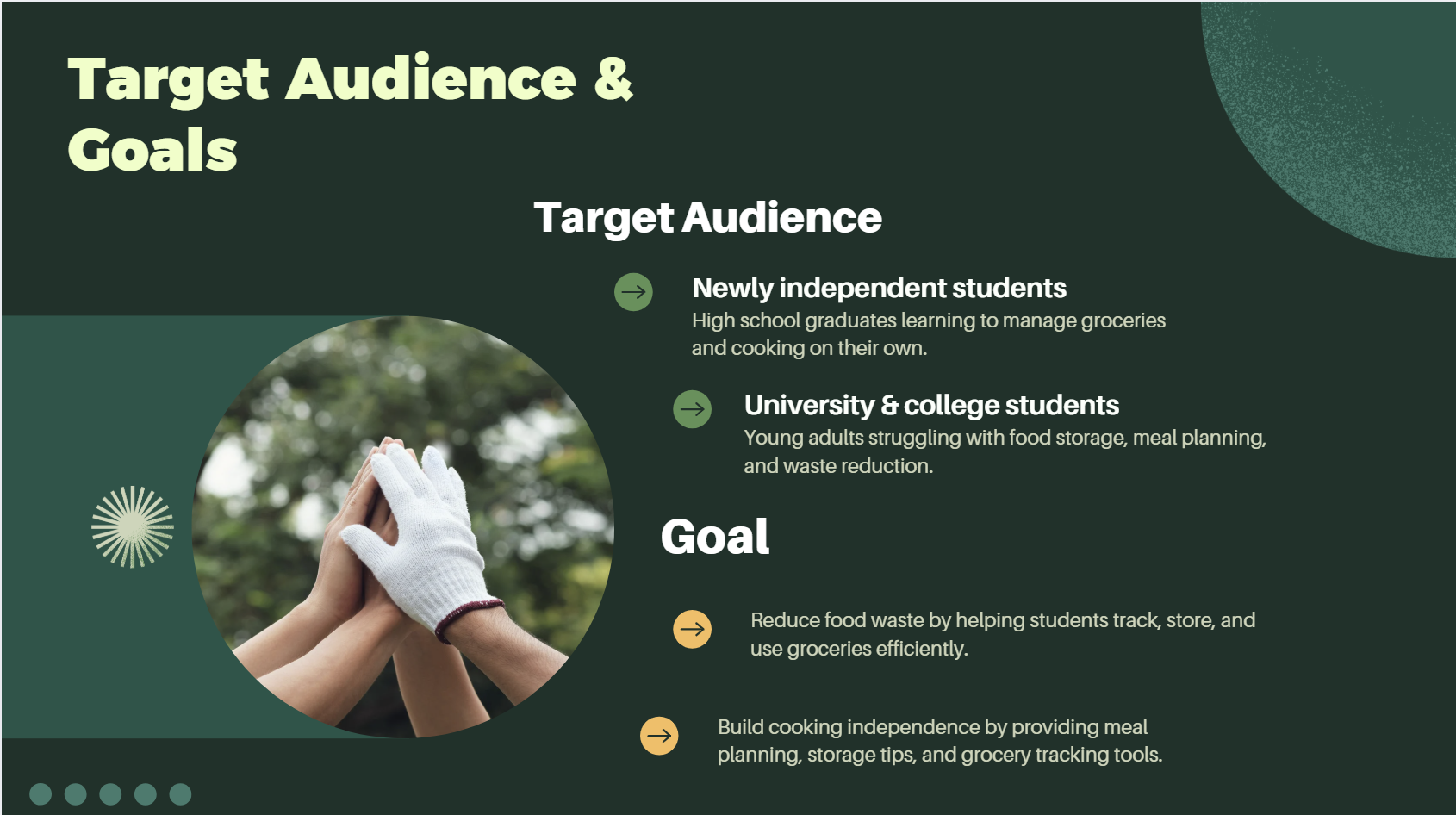
Based on our research, we identified three core pillars for the first version of ShelfSense.
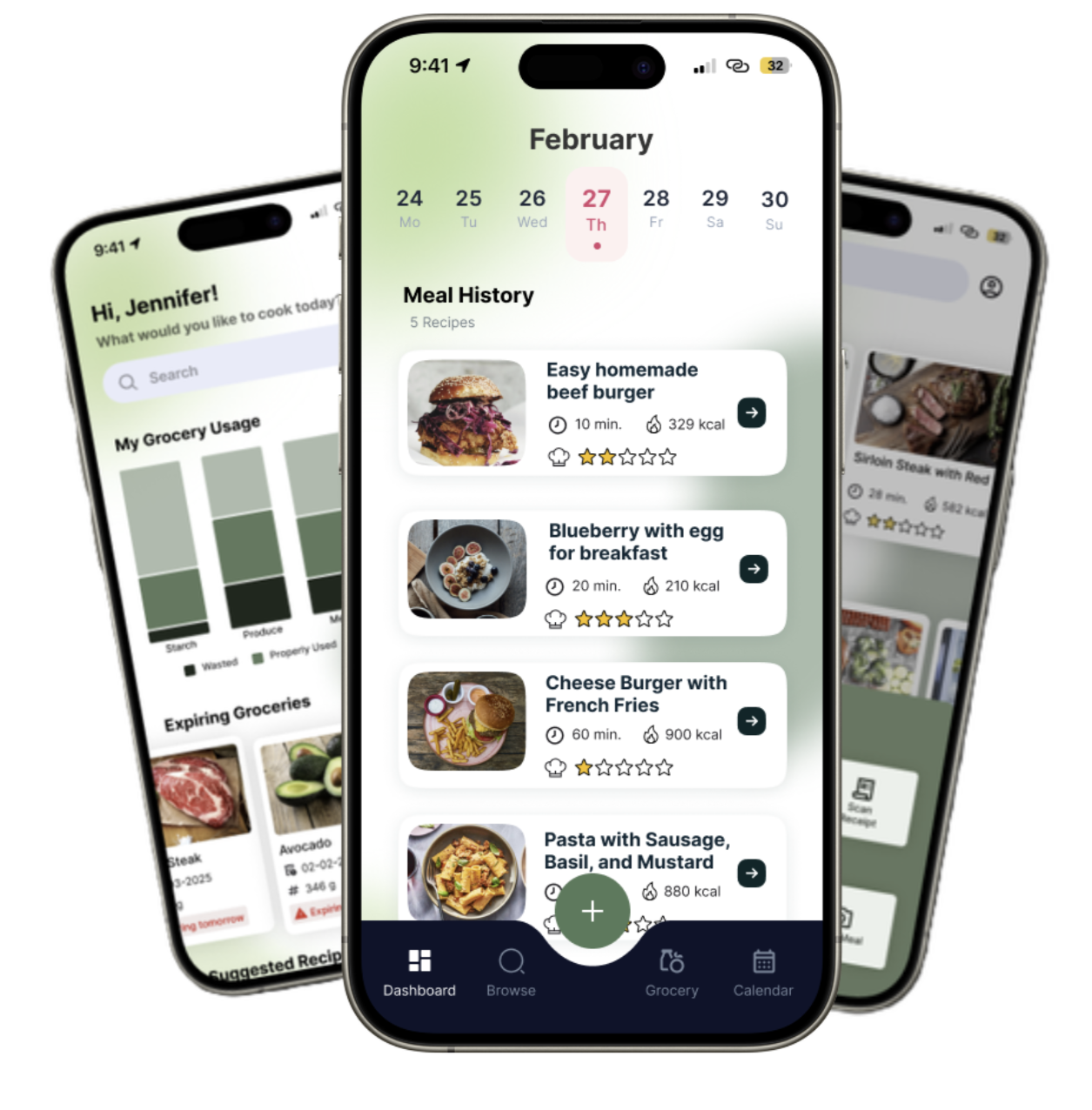
Allow users to quickly add groceries through manual entry, barcode scanning, receipt scanning, or image recognition. The system automatically tracks expiration dates and sends reminders when food is nearing spoilage.
Recommend recipes based on ingredients already available in the user's inventory. This encourages users to consume food before it expires while making home cooking more accessible.
Provide insights into consumption patterns, wasted ingredients, and estimated money lost through food waste. This allows users to make more informed purchasing decisions over time.
Many competing solutions required users to manually update inventories, creating friction and discouraging long-term use. Our core design principles were:
Reduce manual input whenever possible
Surface important information proactively
Make sustainability actionable
Encourage habit formation through simple interactions
We explored multiple layouts and workflows before settling on a streamlined dashboard that prioritized upcoming expirations, suggested meals, grocery inventory visibility, and food waste statistics.
The project required close collaboration between design, business, and development teams. We worked together to determine:
Regular feedback sessions helped ensure that proposed features remained both technically achievable and aligned with user needs.
One of the most exciting aspects of ShelfSense was the development of an intelligent recipe recommendation engine. Using ingredient databases and machine learning techniques, the system can generate over 2 million possible recipe combinations based on available groceries.
Recipe Combinations
Instead of searching for recipes manually, users receive personalized suggestions based on current inventory, expiring ingredients, dietary preferences, and nutritional considerations.
This transforms leftover ingredients into practical meal opportunities rather than waste.
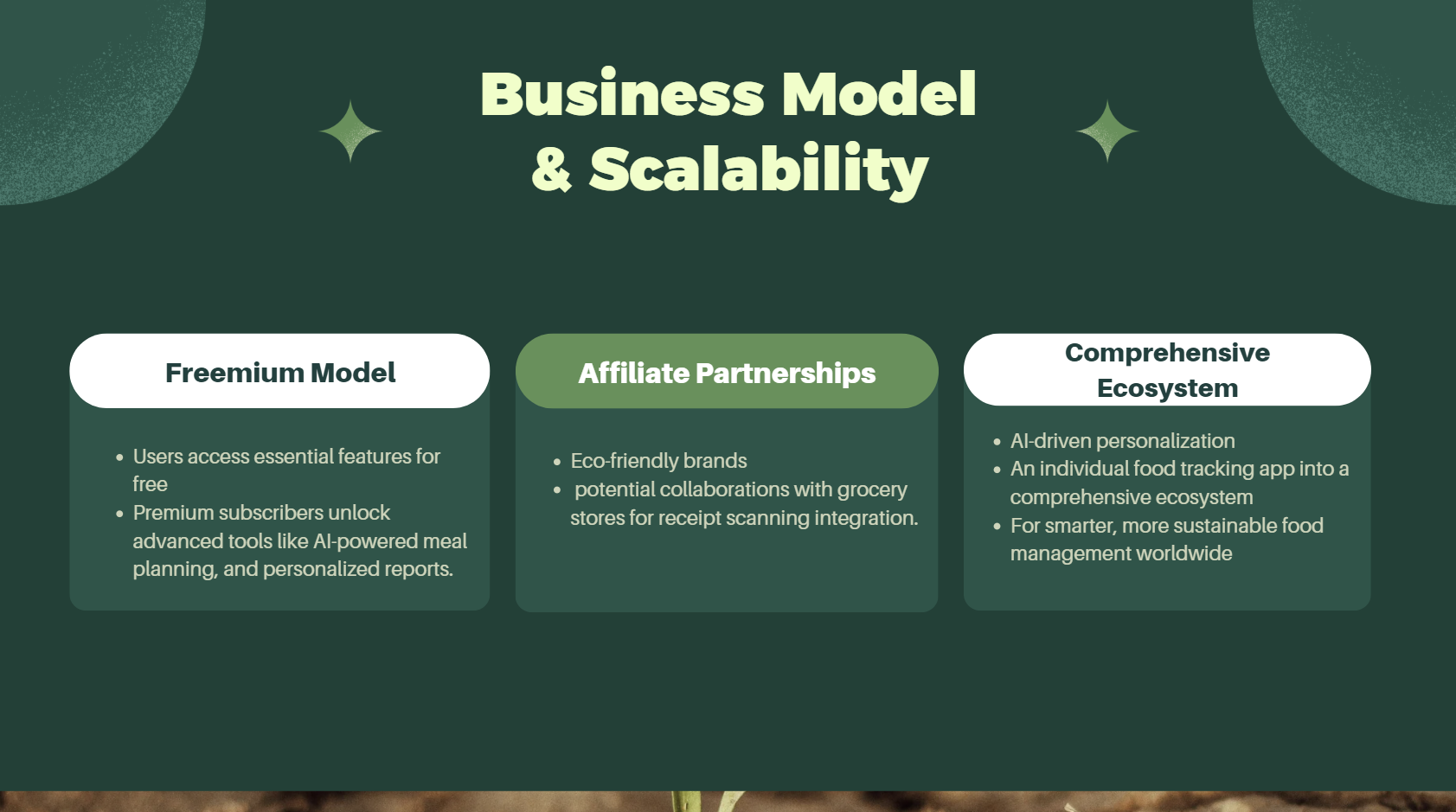
To ensure long-term sustainability, we designed ShelfSense around a freemium business model.
Future opportunities include partnerships with grocery retailers, universities, and sustainability organizations.
Many of our assumptions about student food habits were validated only after conducting surveys and gathering evidence from users.
The more manual effort required from users, the less likely they are to engage consistently. Automation became a key design principle throughout the project.
People care about reducing waste, but they are more likely to take action when sustainability aligns with personal benefits such as saving money and eating healthier.
Developing the business model alongside the user experience helped ensure that ShelfSense could create meaningful impact while remaining financially sustainable.
ShelfSense was built on the belief that by helping students develop smarter consumption habits today, we can contribute to a more sustainable future tomorrow.